Shower
The Marietta Street Artery runs from Downtown Atlanta northwest toward Westside, passing through a stretch of adaptive reuse buildings, newer mixed-use developments, and live-work lofts that have been among Atlanta's most active renovation zones. The corridor's warehouse and industrial building stock means concrete floors, open floor plans, and project timelines that often run tight against tenant move-in dates.
Adaptive reuse buildings along Marietta Street often have concrete slab floors with embedded conduit and historic aggregate finishes that affect adhesive selection. We have worked in several loft and mixed-use conversions in this corridor and know how to assess these surfaces without over-specifying prep work that is not needed.
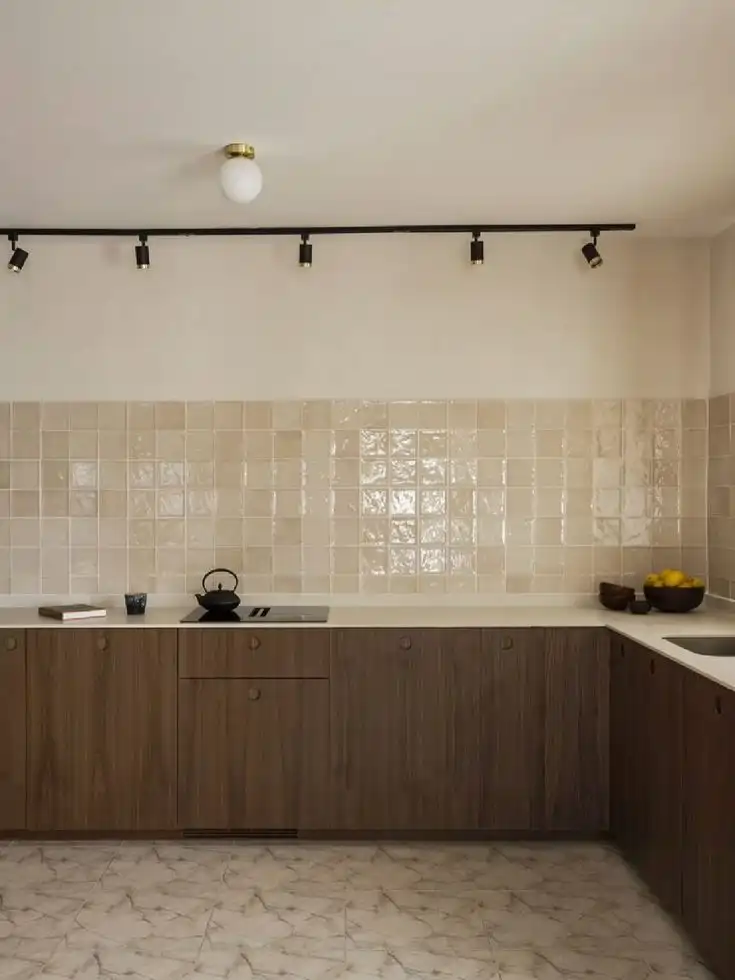
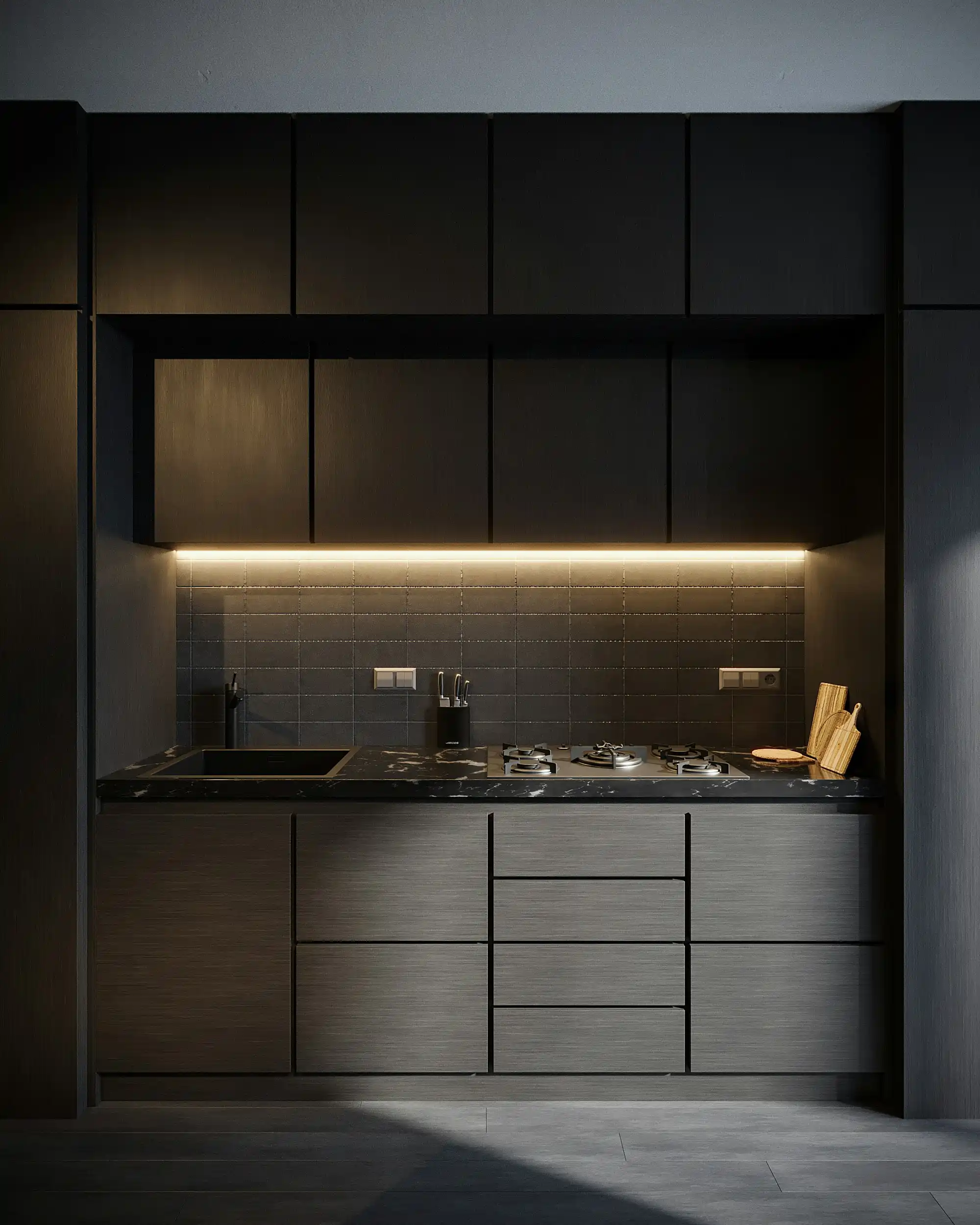
Commercial kitchen tile in the corridor's restaurant and food-hall spaces is another recurring project type. These require slip-rated porcelain, epoxy grout, and coved base tile at the wall-floor junction for sanitary compliance.
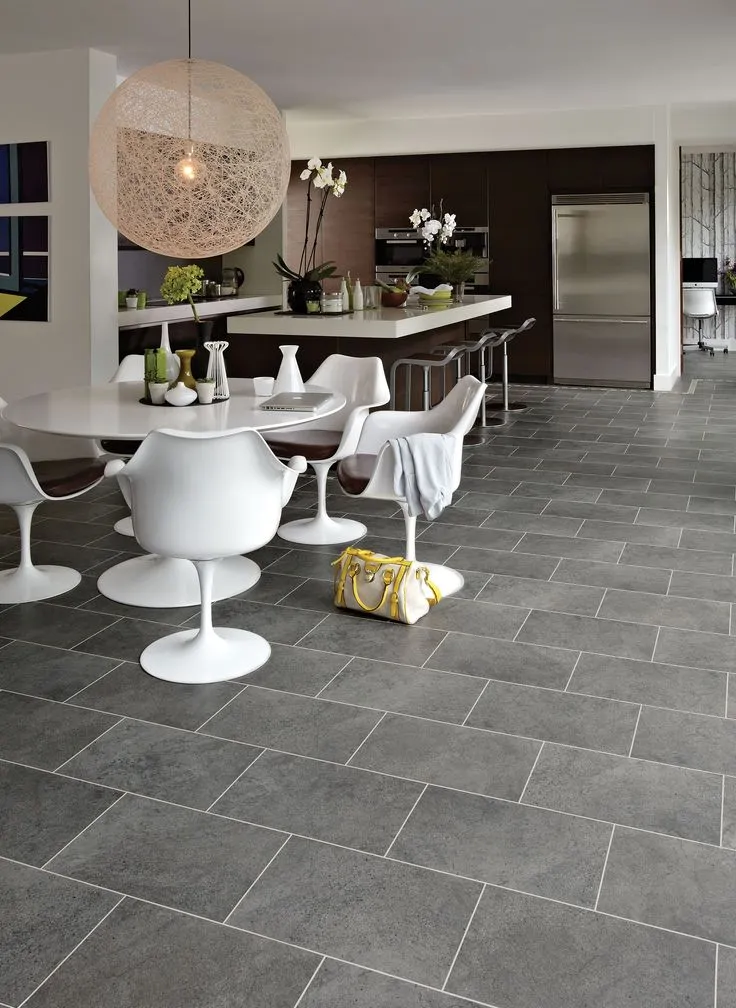
Existing concrete in adaptive reuse buildings is often contaminated with adhesive residue, paint, or curing compounds from the original construction. These contaminants reduce the bond between mortar and slab. We mechanically abrade or grind the surface to expose clean concrete, then test for flatness and moisture before applying any adhesive. If the slab has embedded aggregate that creates surface irregularity, a skim coat of self-leveling compound is applied to bring it into tolerance.
It depends on the scope. Small areas like a bathroom or kitchen backsplash can typically be done with the occupant present, especially if we can section off the work area. Full floor installations require the space to be empty during installation and curing. Wet saw cutting generates noise and silica dust, which requires good ventilation and dust containment regardless of occupancy.
Commercial spaces open to the public in Georgia are subject to ADA surface requirements, which include specific slip resistance standards for wet areas. A DCOF rating of 0.42 or higher is required for wet areas under ANSI A137.1. We verify tile ratings for all commercial floor applications and can provide documentation of the tile's tested DCOF value if required for a certificate of occupancy inspection.
Tenant improvement projects along the Artery often have lease commencement dates that do not move. We build our schedule around the mortar and grout cure times, which are fixed, and work backwards from the required completion date to confirm whether the scope is achievable. We do not compress cure times to meet a deadline. If the timeline is genuinely too tight, we say so upfront.